1,350
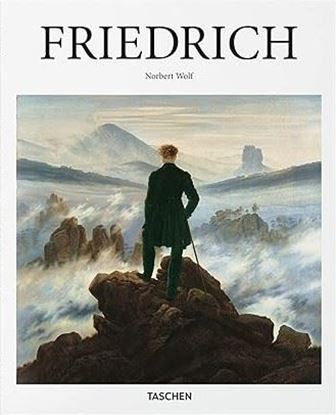
FRIEDRICH (BA-ART) (ES)
La belleza de la naturaleza y la soledad del hombre son temas dominantes en la obra de Caspar David Friedrich (1774-1840). El artista con frecuencia dispone una pequeña figura humana en un amplio paisaje, como en sus famosos lienzos Monje a la orilla del mar y El caminante sobre el mar de nubes. Durante mucho tiempo, la importancia y la influencia de este gran pintor romántico fueron subestimadas. Cuando murió, Friedrich había sido olvidado ya por sus coetáneos y no fue redescubierto hasta principios del siglo xx. Actualmente, se le considera el pintor alemán más importante de su generación y un precursor del expresionismo.
1,350
1,350
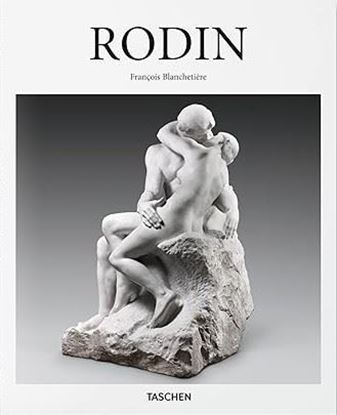
RODIN (BA-ART) (GB)
While anchoring his practice in the traditions of antiquity and the Renaissance, Auguste Rodin (1840–1917) paved the way for modern sculpture. From a very early stage, he was interested in movement, the expression of the body, chance effects, and the incomplete fragment. It was these elements that gave shape, and the impression of life, to such famous works as The Kiss and The Thinker.
1,350
1,350
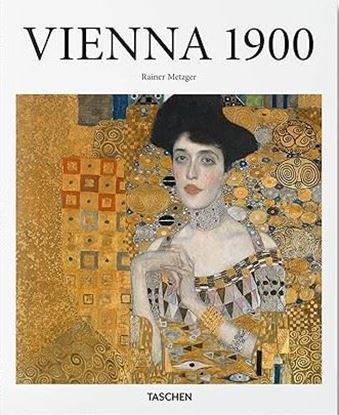
VIENNA 1900 (BA-ART) (GB)
Poets and intellectuals brushed shoulders in bustling coffeehouses, young avant-gardists heralded a new era in social and sexual liberalism, waltzes resounded through the Ringstrasse, the Vienna Secession preached: “To every age its art — to every art its freedom;” and tremors warned of looming political disintegration when the Austrian capital passed into a new century.
Across economics, science, art, and music, Vienna blossomed into a “laboratory of modernity,” one which nurtured some of the greatest artistic innovators—from Egon Schiele’s unflinching nude portraits to Gustav Klimt’s decadent Portrait of Adele Bloch-Bauer I, from the ornamental seams and glass floors of Otto Wagner to Ditha Moser’s calendars adorned in golden deities.
1,350