

1,350
1,013
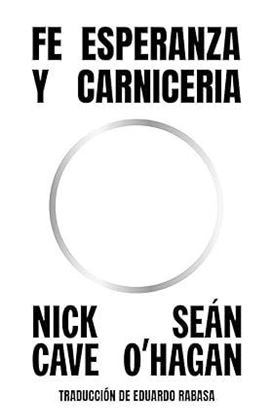
FE, ESPERANZA Y CARNICERIA
Este libro, creado a partir de más de cuarenta horas de conversaciones íntimas con el periodista Seán O’Hagan, es una exploración profundamente reflexiva, en palabras del propio Cave, de lo que realmente impulsa su vida y creatividad. En él, el músico habla de fe, arte, música, libertad, duelo y amor. Se sumerge con total franqueza en su vida, desde su infancia temprana hasta la actualidad, en sus amores, su ética del trabajo y la profunda transformación que ha sufrido su existencia en los últimos años. Fe, esperanza y carnicería es un estallido de esperanza e inspiración de un verdadero visionario.
1,350
1,013
1,350
1,013
1,350
1,013
1,350
1,013
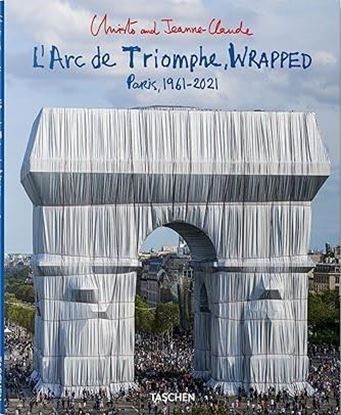
LARC DE TRIOMPHE, WRAPPED (VA) (INT)
1961, three years after meeting Jeanne-Claude in Paris, Christo made a study of a mammoth project that would wrap one of the city’s most emblematic monuments. 60 years, 25,000 square meters of recyclable fabric, and 3,000 meters of rope later, the artists' vision finally came true. Discover their posthumous installation with this book gathering photography, drawings, and a history of the project's making.
Like most of Christo and Jeanne-Claude's work, L'Arc de Triomphe, Wrapped is temporary and runs for 16 days from Saturday, September 18 to Sunday, October 3, 2021. Carried out in close collaboration with the Centre des Monuments Nationaux, the historic structure is wrapped in recyclable polypropylene fabric in silvery blue and recyclable red rope.
1,350
1,013
1,350
1,013
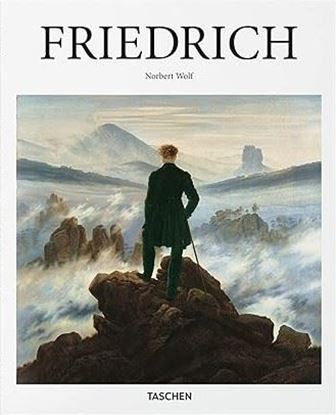
FRIEDRICH (BA-ART) (ES)
La belleza de la naturaleza y la soledad del hombre son temas dominantes en la obra de Caspar David Friedrich (1774-1840). El artista con frecuencia dispone una pequeña figura humana en un amplio paisaje, como en sus famosos lienzos Monje a la orilla del mar y El caminante sobre el mar de nubes. Durante mucho tiempo, la importancia y la influencia de este gran pintor romántico fueron subestimadas. Cuando murió, Friedrich había sido olvidado ya por sus coetáneos y no fue redescubierto hasta principios del siglo xx. Actualmente, se le considera el pintor alemán más importante de su generación y un precursor del expresionismo.
1,350
1,013
1,350
1,013
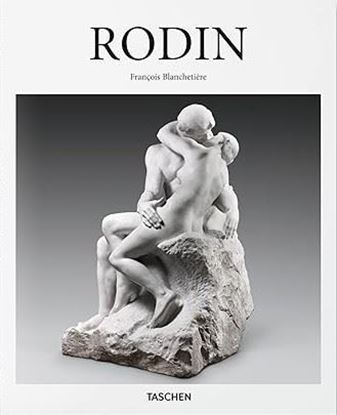
RODIN (BA-ART) (GB)
While anchoring his practice in the traditions of antiquity and the Renaissance, Auguste Rodin (1840–1917) paved the way for modern sculpture. From a very early stage, he was interested in movement, the expression of the body, chance effects, and the incomplete fragment. It was these elements that gave shape, and the impression of life, to such famous works as The Kiss and The Thinker.
1,350
1,013