1,350
1,013
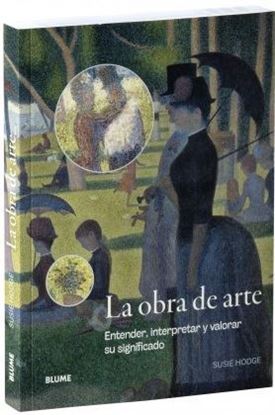
LA OBRA DE ARTE
El arte puede ser tan fascinante como frustrante. Una sola obra puede tener varios significados, y existen muchas formas de entenderla, interpretarla y apreciarla.
Este libro claro y accesible descompone grandes obras de arte en diez elementos sencillos para ayudarle a comprenderlas y apreciarlas mejor.
Además, le permitirá responder a algunas preguntas obvias, pero complicadas: «¿Cómo crea Yayoi Kusama la sensación de infinito en Luces resplandecientes de almas?» o «¿Por qué las capas de pintura de La noche estrellada de Van Gogh son tan gruesas?».
1,350
1,013
1,350
1,013
HISTORIA DE LA MUSICA POPULAR CUBANA
Este libro constituye una lectura apasionante e instructiva, a la vez que nos presenta un testimonio conmovedor, debido a la manera profunda y personal, en que el autor describe la maravilla que fue la isla de Cuba desde el inicio de su historia.
En él encontrarán los interesados un estudio exhaustivo de la materia expuesta, que lo convierte, definitivamente, en obligado material de estudio sobre el importante tema de la música popular comercial en Cuba.
1,350
1,013
1,350
1,013
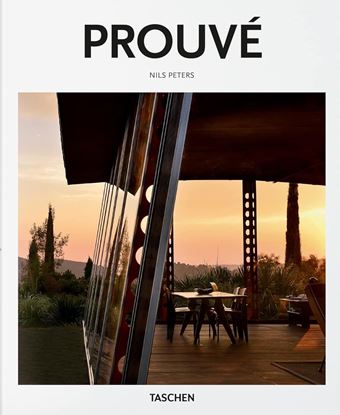
PROUVE (BASIC ART EDITION)
French-born Jean Prouvé (1901–1984) was the 20th century’s leading construction designer, a self-declared constructeur and member of the jury who oversaw the design of the Centre Pompidou in Paris. As a designer, he captured the midcentury spirit of innovation, expansion, and growth, developing techniques that united simple, striking aesthetics with practical, cost-effective materials and assembly.From vast, temporary exhibition marquees to handheld letter openers, modular building systems to interior lighting, Prouvé’s designs efficiently fitted their function with minimal fuss and understated elegance. Feted by designers, architects, and engineers the world over, Prouvé has left a rich and inspirational legacy, which resonates perfectly with the approach of this compact volume, neatly summarizing his life and works.
1,350
1,013
1,350
1,013
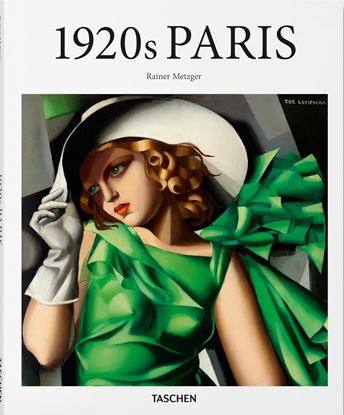
PARIS 1920S (BA) (GB)
Paris is the City of Light in all its facets. In the 1920s La Ville des lumières gleams especially bright and becomes a magnet for creative people from around the world. This is the decade of Coco Chanel and Josephine Baker, Art Deco and Surrealism, café culture and cabaret. The most famous artists of the epoch, later called Classic Modernism, are in close contact and have lively exchanges with one another – including Marcel Duchamp, Francis Picabia, Pablo Picasso, René Clair, Sonia Delaunay, André Breton, Paul Éluard, Max Ernst and Salvador Dalí. The creative life and all its excesses flourish bohème is the word for this way of living. Composers like Igor Stravinsky, writers like James Joyce or Ernest Hemingway and exiles from Eastern Europe like Constantin Brancusi or Marc Chagall enrich the illustrious scene on Montparnasse.
1,350
1,013
1,350
1,013
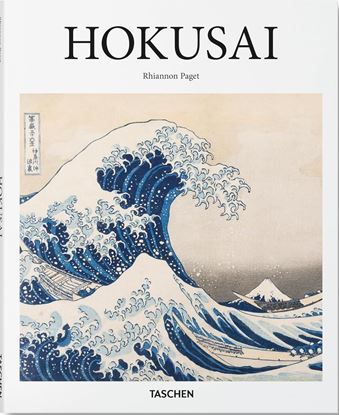
HOKUSAI (BASIC ART) (ES)
Meet the artist whose majestic breaking wave sent ripples across the world. Hokusai (1760–1849) is not only one of the giants of Japanese art and a legend of the Edo period, but also significantly influenced Western modernism, whose prolific gamut of prints, illustrations, paintings, and beyond forms one of the most comprehensive oeuvres of ukiyo-e art and a benchmark of japonisme. His influence spread through Impressionism, Art Nouveau, and beyond, enrapturing the likes of Claude Monet, Berthe Morisot, Edgar Degas, Mary Cassatt, and Vincent van Gogh.
1,350
1,013
1,350
1,013
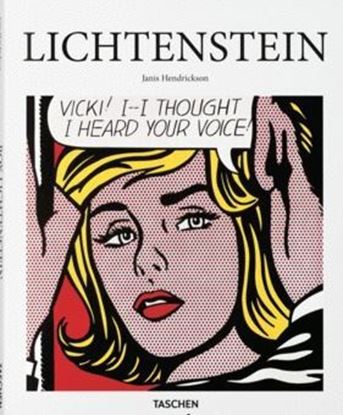
LICHTENSTEIN (ES)
The American painter Roy Lichtenstein (1923-1997) sparked an artistic renewal in his country when he burst onto the scene dominated by Abstract Expressionism in New York in the late 1950s, defining a new creative language for a new era. With his innovative use of industrial production techniques and mundane, everyday imagery, such as cartoons, comic strips, and advertising, Lichtenstein joined contemporary artists such as Andy Warhol and James Rosenquist in portraying and satirizing American media and consumer culture.
1,350
1,013