2,995
2,246
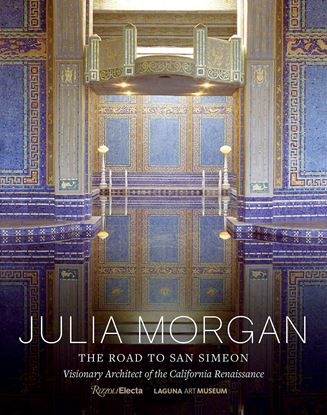
JULIA MORGAN
Julia Morgan was truly a pioneer of her time—among other accomplishments, she was the first woman architect to be licensed in California, in 1904. Through her remarkable life and legacy, this book celebrates the Beaux-Arts architecture of California. Focusing on Morgan’s most famous project in the state, Hearst Castle, to which she devoted more than 30 years of her life, this volume also examines, for the first time, Morgan’s fabulous early buildings in the style. Morgan designed more than 700 buildings across California, many of which are designated landmarks today. Deepening the reader’s understanding of California archi-tecture, this book also places into context Morgan’s ambitions, her influences and inspirations, as well as her daily practice and challenges as a woman shaping an extraordinarily prolific and highly successful career in a man’s world.
To better understand the Beaux-Arts training Morgan underwent in Paris, the reader is taken through the challenging, highly arduous Ecole des Beaux-Arts curriculum, which Morgan completed, a lone woman among men. Also explored, in detail, is the story of how the studio and kilns of California Faience, a Berkeley ceramic artisan’s shop, became the supplier of tens of thousands of tiles designed by Morgan and overseen by Hearst himself to decorate their architectural master-piece overlooking the Pacific Ocean.
2,995
2,246
2,995
2,246
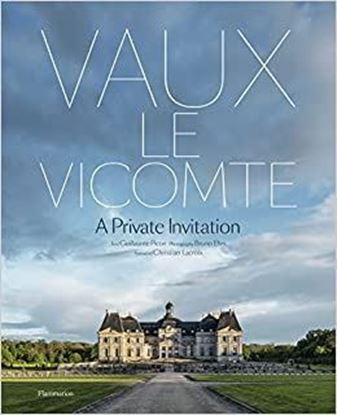
VAUX-LE-VICOMTE
This comprehensive monograph is an exclusive look inside the château that inspired the design of Versailles and today continues to enchant visitors and film directors alike.
Vaux-le-Vicomte’s rich history began in 1641 when infamous French finance minister Nicolas Fouquet, the original owner, surrounded himself with the most skilled and talented artisans of the time: the architect Louis Le Vau, the painter Charles Le Brun, and the garden designer André Le Nôtre, to create a perfect harmony between architecture and landscape. The Château de Vaux-le-Vicomte and its spectacular gardens fascinated Louis XIV and were the inspiration for Versailles. Classified as a historical monument since 1875 under the impetus of the owner at the time, the castle of Vaux-le-Vicomte quickly became a model of the artistic genius of the seventeenth century.
This volume traces the château’s history from the seventeenth century through the Belle Époque, World War I, and its public opening in 1968. Exclusive photography and archival documents offer unprecedented access to the château, furnishings, and gardens, and illuminate the extraordinary secrets of court life and centuries of celebrations that include the enchanting candlelit tours held today.
2,995
2,246
2,995
2,246
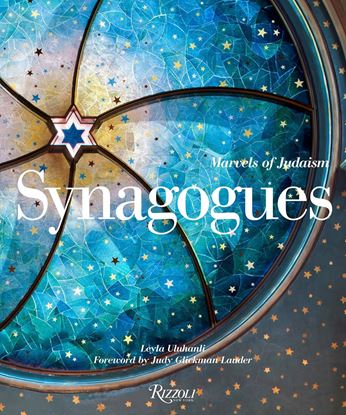
SYNAGOGUES. MARVELS OF JUDAISM
This visually striking compendium illustrates the architectural and historical evolution of over 60 iconic synagogues worldwide. Beginning with the foremost archaeological sites in the Holy Land, it extends to the Jewish sanctuaries of Europe, North Africa, Russia, the Caucasus, Israel, and the New World, from the most ancient to the most innovative creations around the globe. Masterpieces such as Frank Lloyd Wright’s Beth Sholom Synagogue in Pennsylvania, the Grand Synagogue in Paris, New York’s Temple Emanu-El, and Dresden’s Neue Synagogue are all featured in magnificent detail. In a series of compelling essays, prominent scholars Lidia Chakovskaya, Steven Fine, Max Fineblum, Mohammad Gharipour, Samuel D. Gruber, Sergey R. Kravtsov, Michael Levin, and Edward van Voolen explore the diverse architectural styles that reflect the synagogue’s rich, complex, and often tragic history. Noted Judaic studies authority Aaron Hughes provides the introduction, highlighting the synagogue’s history and liturgical furnishings from silver menorahs and textiles to carved wooden cabinets and lanterns of eternal light. This gorgeously illustrated volume will appeal to those with an appreciation for art and architecture as well as lovers of Jewish history.
2,995
2,246