2,300
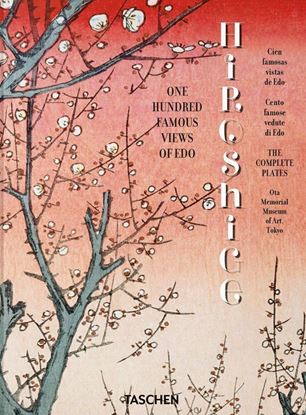
HIROSHIGE. ONE HUNDRED FAMOUS VIEWS
Luces urbanas y cerezos
Los grabados en madera de Tokio que cautivaron la imaginación de Europa
Utagawa Hiroshige (1797-1858) fue uno de los últimos grandes artistas de la tradición japonesa del ukiyo-e. La palabra significa literalmente «pinturas del mundo flotante» y designa un género artístico que floreció entre los siglos xvii y xix y simbolizó la imagen de Japón en el mundo occidental. Las escenas del ukiyo-e, que en muchos aspectos eran de tipo hedonista, representaban a menudo la brillante luminosidad y las atracciones de Edo: mujeres hermosas, actores y luchadores de sumo, la vida urbana y panorámicas espectaculares.
2,300
2,300
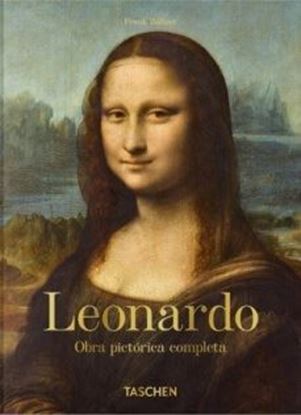
LEONARDO. OBRA PICTORICA (40TH) (E)
Uno de los seres humanos más brillantes jamás conocidos, Leonardo sigue siendo el genio del Renacimiento por excelencia. Compañero perfecto de la edición Leonardo da Vinci. Obra gráfica, este libro es un catálogo razonado de todas las obras maestras pictóricas del artista, tanto supervivientes como perdidas, desde la Mona Lisa a La última cena.
2,300
2,300
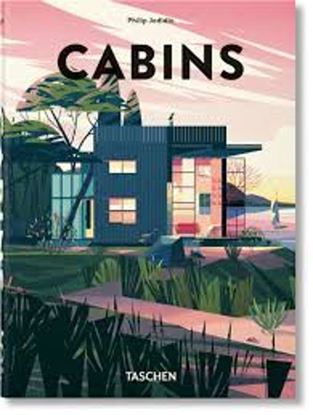
CABINS (45TH ED.) (INT)
Desde que Henry David Thoreau describiera en Walden o Vida en los bosques (1854) los dos años, dos meses y dos días que habitó en una cabaña en Walden Pond (Massachusetts), la idea de una vivienda refugio ha seducido a la psique moderna. En la última década, con el crecimiento exponencial del consumo de materias primas y el impacto de nuestra huella ecológica, arquitectos internacionales se han interesado por las posibilidades que brinda un tipo de casa aislada, minimalista y de bajo impacto.
Esta edición de Cabañas, que combina un texto en profundidad con abundantes fotografías y brillantes ilustraciones de Marie-Laure Cruschi, explora las oportunidades que brinda este tipo de arquitectura para la creatividad. La cabaña renuncia a los excesos y limita su intrusión espacial a cubrir las necesidades esenciales para vivir, al tiempo que se muestra respetuosa con el medio natural en el que se ubica y prioriza soluciones ecológicas. Así, las cabañas ofrecen algunas de las propuestas más innovadoras y con mayor visión de futuro de la arquitectura contemporánea, de la mano de Renzo Piano, Terunobu Fujimori, Tom Kundig y muchos otros jóvenes profesionales que trabajan en estos espacios refugio.
2,300

2,300
STONE AGE (45TH ED.) (INT)
Follow photographer Frédéric Chaubin as he embarks on a unique, century-spanning journey through Europe. Featuring images of more than 200 buildings in 21 countries, Stone Age presents the history and architecture of the most dramatic medieval castles of the continent in an unprecedented collection.
Building on the success of his foray into Soviet design with CCCP, Chaubin once again documents the afterlife of highly rational structures that seem out of place in a modern-day world. Precursors of Brutalism, these castles value function over form and epitomize the raw materials and shapes that would go on to define so much of architectural history.
Shot on film with a Linhof view camera, the collection is the outcome of five years of travel and investigation. Complete with a practical map and explanatory essay, its castles tell the story of 400 years, unfolding through the feudal Middle Ages into the 15th century.
A photographic study of decay as much as endurance, Stone Age traces the history of some of these singular structures that continue to enchant their audiences today and that occupy a distinct, mystical place in our collective imagination.
2,300

2,300
HIROSHIGE (45TH ED.) (INT)
Utagawa Hiroshige (1797–1858) was one of the last great artists in the ukiyo-e tradition. Literally meaning “pictures of the floating world,” ukiyo-e was a particular genre of art that flourished between the 17th and 19th centuries and came to characterize the Western world’s visual idea of Japan. In many ways images of hedonism, ukiyo-e scenes often represented the bright lights and attractions of Edo (modern-day Tokyo): beautiful women, actors and wrestlers, city life, and spectacular landscapes.
Though he captured a variety of subjects, Hiroshige was most famous for landscapes, with a final masterpiece series known as “One Hundred Famous Views of Edo” (1856–1858), which depicted various scenes of the city through the seasons, from bustling shopping streets to splendid cherry orchards.
This reprint is made from one of the finest complete original sets of woodblock prints belonging to the Ota Memorial Museum of Art in Tokyo. It pairs each of the 120 illustrations with a description, allowing readers to immerse themselves in these beautiful, vibrant vistas that became paradigms of Japonisme and inspired Impressionist, Post-Impressionist and Art Nouveau artists alike, from Vincent van Gogh to James McNeill Whistler.
2,300
2,300
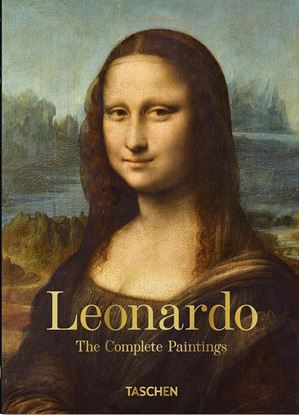
LEONARDO: THE COMPLETE PAINTINGS 40TH ED
One of the most accomplished human beings who ever lived, Leonardo da Vinci (1452–1519) remains a quintessential Renaissance genius. The perfect companion to the Leonardo Graphic Work edition, this book is a compact catalogue raisonné of all of the artist’s masterful paintings.
Drawn from our best-selling XXL edition, the book traces the artist’s life and work across 10 chapters, presenting all known paintings and drawing on his letters, contracts, diary entries, and writings to explore the man behind such groundbreaking artworks. From Virgin of the Rocks to Virgin and Child with St. Anne to the ever-beguiling Mona Lisa, you’ll find some of the finest treasures of the Louvre, Prado, and National Gallery, London here, as well as Leonardo works lost to time, but no less startling in their precision and poise.
2,300