

1,350
1,013
LICHTENSTEIN (ES)
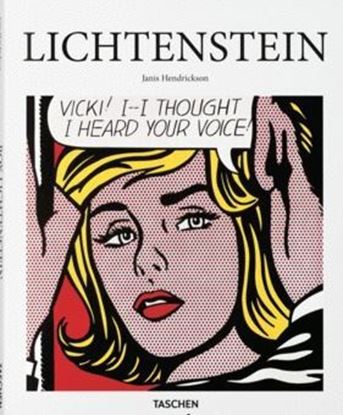
The American painter Roy Lichtenstein (1923-1997) sparked an artistic renewal in his country when he burst onto the scene dominated by Abstract Expressionism in New York in the late 1950s, defining a new creative language for a new era. With his innovative use of industrial production techniques and mundane, everyday imagery, such as cartoons, comic strips, and advertising, Lichtenstein joined contemporary artists such as Andy Warhol and James Rosenquist in portraying and satirizing American media and consumer culture.
1,350
1,013
1,350
1,013
PARIS 1920S (BA) (GB)
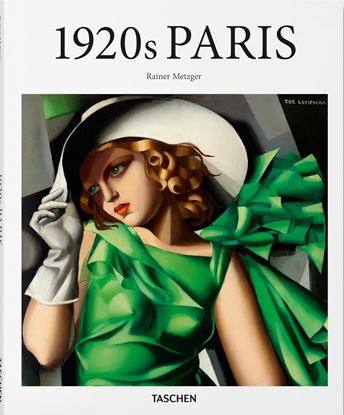
Paris is the City of Light in all its facets. In the 1920s La Ville des lumières gleams especially bright and becomes a magnet for creative people from around the world. This is the decade of Coco Chanel and Josephine Baker, Art Deco and Surrealism, café culture and cabaret. The most famous artists of the epoch, later called Classic Modernism, are in close contact and have lively exchanges with one another – including Marcel Duchamp, Francis Picabia, Pablo Picasso, René Clair, Sonia Delaunay, André Breton, Paul Éluard, Max Ernst and Salvador Dalí. The creative life and all its excesses flourish bohème is the word for this way of living. Composers like Igor Stravinsky, writers like James Joyce or Ernest Hemingway and exiles from Eastern Europe like Constantin Brancusi or Marc Chagall enrich the illustrious scene on Montparnasse.
1,350
1,013
1,350
1,013
PROUVE (BASIC ART EDITION)
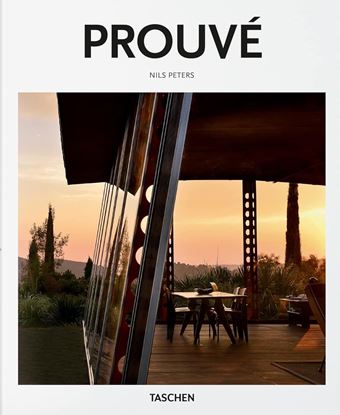
French-born Jean Prouvé (1901–1984) was the 20th century’s leading construction designer, a self-declared constructeur and member of the jury who oversaw the design of the Centre Pompidou in Paris. As a designer, he captured the midcentury spirit of innovation, expansion, and growth, developing techniques that united simple, striking aesthetics with practical, cost-effective materials and assembly.From vast, temporary exhibition marquees to handheld letter openers, modular building systems to interior lighting, Prouvé’s designs efficiently fitted their function with minimal fuss and understated elegance. Feted by designers, architects, and engineers the world over, Prouvé has left a rich and inspirational legacy, which resonates perfectly with the approach of this compact volume, neatly summarizing his life and works.
1,350
1,013

1,350
1,013
HISTORIA DE LA MUSICA POPULAR CUBANA
Este libro constituye una lectura apasionante e instructiva, a la vez que nos presenta un testimonio conmovedor, debido a la manera profunda y personal, en que el autor describe la maravilla que fue la isla de Cuba desde el inicio de su historia.
En él encontrarán los interesados un estudio exhaustivo de la materia expuesta, que lo convierte, definitivamente, en obligado material de estudio sobre el importante tema de la música popular comercial en Cuba.
1,350
1,013
1,350
1,013
RODIN (BA-ART) (GB)
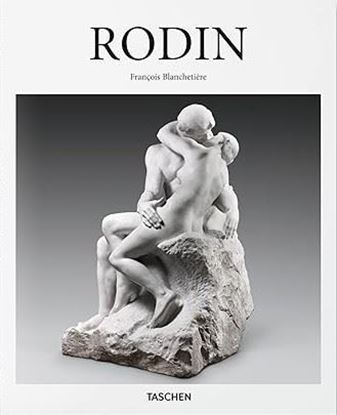
While anchoring his practice in the traditions of antiquity and the Renaissance, Auguste Rodin (1840–1917) paved the way for modern sculpture. From a very early stage, he was interested in movement, the expression of the body, chance effects, and the incomplete fragment. It was these elements that gave shape, and the impression of life, to such famous works as The Kiss and The Thinker.
1,350
1,013
1,350
1,013
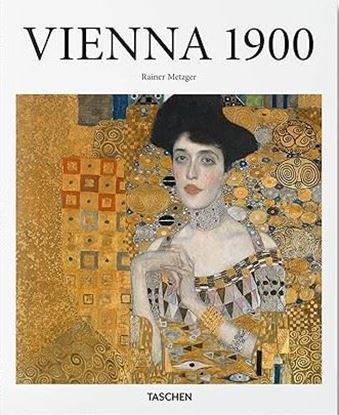
VIENNA 1900 (BA-ART) (GB)
Poets and intellectuals brushed shoulders in bustling coffeehouses, young avant-gardists heralded a new era in social and sexual liberalism, waltzes resounded through the Ringstrasse, the Vienna Secession preached: “To every age its art — to every art its freedom;” and tremors warned of looming political disintegration when the Austrian capital passed into a new century.
Across economics, science, art, and music, Vienna blossomed into a “laboratory of modernity,” one which nurtured some of the greatest artistic innovators—from Egon Schiele’s unflinching nude portraits to Gustav Klimt’s decadent Portrait of Adele Bloch-Bauer I, from the ornamental seams and glass floors of Otto Wagner to Ditha Moser’s calendars adorned in golden deities.
1,350
1,013