

2,200
THE ADIDAS ARCHIVE. 45TH (INT)
More than 100 years ago the brothers Adolf ("Adi") and Rudolf Dassler made their first pair of sports shoes. Hundreds of groundbreaking designs, epic moments, and star-studded collabs later, this book presents a visual review of the adidas shoe through almost 200 models.To further develop and tailor his products to athletes’ specific needs, Dassler asked them to return their worn footwear when no longer needed, with all the shoes eventually ending up in his attic (to this day, many athletes return their shoes to adidas, often as a thank you after winning a title or breaking a world record). This collection now makes up the "adidas archive", one of the largest, if not the largest archive of any sports goods manufacturer in the world—which photographers Christian Habermeier and Sebastian Jäger have been visually documenting in extreme detail for years.Shot using the highest reproduction techniques, these images reveal the fine details as much as the stains, the tears, the repair tape, the grass smudges, the faded autographs. It’s all here, unmanipulated and captured in extremely high resolution—and with it comes to light the personal stories of each individual wearer. We encounter the shoes worn by West Germany’s football team during its “miraculous” 1954 World Cup win and those worn by Kathrine Switzer when she ran the Boston Marathon in 1967, before women were officially allowed to compete; custom models for stars from Madonna to Lionel Messi; collabs with the likes of Pharrell Williams, Raf Simons, Stella McCartneyor Yohji Yamamoto; as well as the brand’s trailblazing techniques and materials.Accompanied by expert texts, each picture tells us the why and the how, but also conveys the driving force behind adidas. What we discover goes beyond mere design; in the end, these are just shoes, worn out by their users who have loved them—but they are also first-hand witnesses of our sports, design, and culture history, from the beginnings of the Dassler brothers and the founding of adidas until today.
2,200
2,995
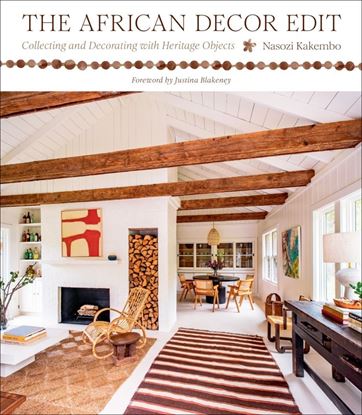
THE AFRICAN DECOR EDIT
Travel with Ugandan American designer Nasozi Kakembo as she explores iconic home goods—from Malian mudcloth to Moroccan rugs—at the source and offers thoughtful guidance on collecting and decorating with traditional African treasures.
Through xN Studio, her interior design and product design practice, Nasozi collaborates with artisans throughout Africa, and hers is the rare design book that delves into the origin and meaning behind the furnishings and accessories shown. Each chapter presents artisans in their home countries, telling their stories in their own words.
The book also demonstrates the beauty of African decor, with a collection of inspiring, layered interiors from all over the world. The African Decor Edit is a must-have for all who admire African wares and wish to decorate with them in a thoughtful and ethical way.
The African Decor Edit is not only a gorgeous coffee table book, ready to display and gift. Thanks to author Nasozi Kakembo's deep knowledge of ethically sourced and aesthetically elevated heritage wares, it's a must-have volume for any collector of African home goods.
2,995
4,995
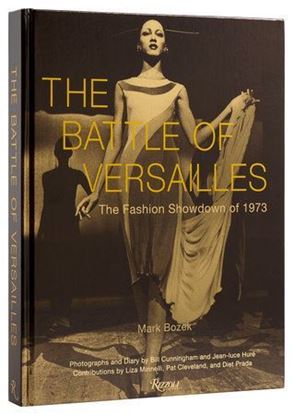
THE BATTLE OF VERSAILLE
The first illustrated book to chronicle the dramatic 1973 face-off between French and American fashion designers, which left an indelible mark on the fashion industry, launched American designers as a global force, and challenged the cultural norms of the time.
Images from the archives of renowned fashion photojournalists Bill Cunningham and Jean-luce Huré—largely unseen until now—capture the behind-the-scenes drama, fabulous clothing, iconic models, and glamorous guests at this historic show.
4,995
6,995
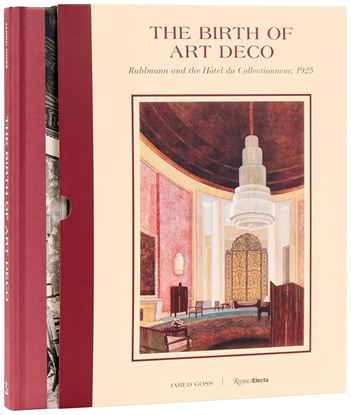
THE BIRTH OF ART DECO: RUHLMANN AND L H.
This book celebrates the 1925 Paris Exposition—at its centenary—a landmark event that shaped twentieth-century design and gave its name to Art Deco. The exposition dazzled over sixteen million visitors during its run, showcasing the pinnacle of French luxury goods and design innovation.
Renowned as the preeminent exponent of French Art Deco, Ruhlmann (1879–1933) was recognized for the aesthetic refinement, luxurious materials, and impeccable craftsmanship of his creations. Inspired by eighteenth-century pleasure pavilions, Ruhlmann’s pavilion, L’Hôtel du Collectionneur (The Town House of the Collector), was one of the most admired exhibits at the fair. Conceived as a modern-day Trianon, it was filled with his own sumptuous furnishings together with a meticulous selection of objets d’art by his contemporaries, including Edgar Brandt, Jean Dunand, and Jean Puiforcat.
6,995
995
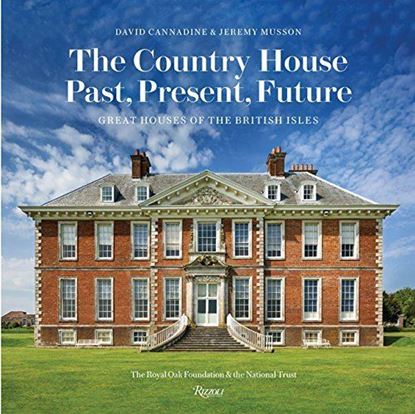
THE COUNTRY HOUSE. PAST, PRESENT (OF3)
From The Crown to Downton Abbey, the country house speaks to our fantasies of rustic splendour, style, and escape. Featuring three hundred photos from the National Trust, this lavish book draws back the curtain on the finest and most important historic homes in England, Wales, Scotland, and Ireland, revealing these great houses' intriguing pasts, grand interiors, and vi-brant reinventions for the enjoyment of modern-day visitors, residents, and armchair travellers. Locations include Knole, Cragside, Castle Howard, Chatsworth, Polesden Lacey, Petworth, Castle Bodiam, Blenheim, Longleat, and dozens more. Illuminating essays by country house expert Jeremy Musson, legendary British author and historian David Cannadine, and contributing writers and scholars provide unique insight into centuries of life in a historic home. This is a rich visual resource for lovers of sumptuous interiors on a human scale, as well as grand exterior architecture and gorgeous landscapes. For Anglophiles, royals watchers, and lovers of the country house lifestyle, architecture, and interior design, this is a magnificent new look at landmark British country houses, the treasures they contain, and how they speak to our fantasies of rustic splendour and escape today.
995
2,995
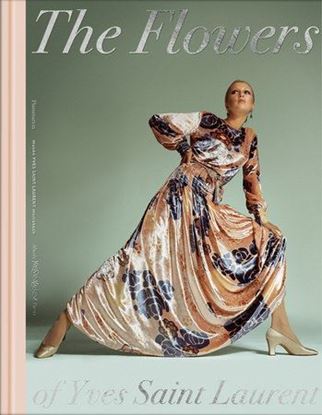
THE FLOWERS OF YVES SAINT LAURENT
Produced with the Yves Saint Laurent museums in Paris and Marrakech, this book examines how flowers served as the designer’s muse throughout his life and work.
Yves Saint Laurent’s passion for flowers and gardens was the source of endless inspiration. From a thousand and one rose buds to sprigs of lily of the valley, from an avalanche of bougainvillea to delicate poppy blooms, and from sheaves of wheat to majestic lilies, he metamorphosed nature in his creations. Employing flowers as a palette of patterns and techniques, he adorned women in floral appliqués, prints, and embroideries.
2,995