
3,995
A DESIGN JOURNEY
Bernerd is known for creating interiors that have a very special sense of place. Firm in her belief that “good design transports us without us being entirely conscious of the fact,” she aspires to take us out of the day-to-day to places we don’t want to leave and give us the desire to bring a piece of that back home.
Committed to the utility of good design, Bernerd works on an increasingly global platform with projects around the world. Hailed by the Financial Times for combining “impeccable craftmanship and timeless style,” her keen eye for composition and detailing and remarkable flair for color and texture make her one of the most sought-after interior designers in the world.
3,995
1,995
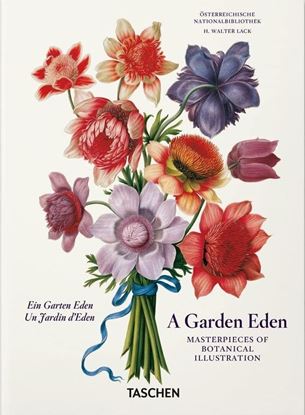
A GARDEN EDEN. MASTERPIECES OF (45) (IE)
En la búsqueda del placer por el conocimiento y la belleza, el arte de la ilustración botánica siempre ha requerido una meticulosa técnica de delineado y una rigurosa comprensión científica. Esta nueva edición, que incluye nuevas imágenes, repasa toda la tradición botánica y sus talentos, con una selección de las mejores obras de la Biblioteca Nacional de Viena.
Desde manuscritos bizantinos hasta obras maestras del siglo XIX, a través de peonías, lirios y crisantemos, estas exquisitas reproducciones deslumbran por su precisión y su estética. Sea con hojas cuidadosamente enrolladas, texturas de frutas dibujadas con precisión o la belleza pura y la variedad de los colores, esta forma de arte es tan delicada como precisa, e incluso despierta nuestra conciencia sobre el entorno ecológico y sobre la preciosa flora natural tan amenazada.
1,995
2,700
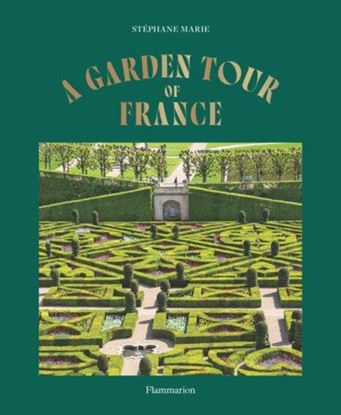
A GARDEN TOUR OF FRANCE
From grand formal French gardens with meticulously sculpted topiaries to the poetry of a bohemian country estate, and from a botanical kitchen garden to an exotic tropical oasis on the Mediterranean coast, French gardening expert and television presenter Stéphane Marie invites readers on a tour of his favorite gardens across France. His encounters with passionate gardeners who have cultivated their plots with creativity highlight France’s incredibly varied microclimates and offer inspiration for nature lovers everywhere.
This beautifully curated volume brings together twenty-seven stunning gardens spanning ten French regions, selected both for their originality and the richness of their flora. Marie's accounts of the design history and creation of each garden are accompanied by detailed sections on the plants, flowers, and trees that make them unique. Visitors are welcome at each of these gardens, and the chapters are completed with practical information and tips on how to plan your visit.
2,700
3,300
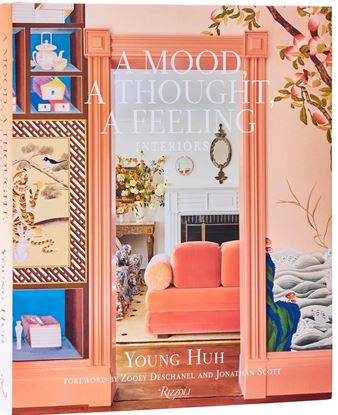
A MOOD,A THOUGHT, A FEELING INTERIORS
Acclaimed designer Huh’s warm and welcoming interiors resonate with harmony, elegance, and dynamism, each room animated by sophisticated surface treatments, a singular play of pattern and color, and a touch of wanderlust. Her first book, composed of three distinct sections, is perfect for readers searching for sophisticated inspiration. Part one, A Mood, looks at decoration through the lens of mood: convivial, peaceful, joyful, cozy, verve, romantic, meaningful. For example, convivial spaces are ones that feel buzzy, excited, and alive, like an artist’s salon; they use lighting to draw people together and seating arrangements to connect. Peaceful interiors are refuges made for reading with a cup of tea on a rainy day, surrounded by warm, natural textures and quiet colors. The second part of the book, A Thought, features three full houses recently completed by Huh, including a chic forever home, an old house full of whimsy, and an airy Park Avenue penthouse. The final section of the book, A Feeling, is about Young’s own recently completed historic country house in upstate New York, from the pattern-filled rooms to the gardens and grounds, with images of life through the seasons. Together, these three sections make for a uniquely personal and beautiful book.
3,300

2,995
A SCREAMING BLAST
A swirl of elegantly offbeat parties and lush tablescapes, where ceramic snails creep under flower petals and chandelier girls covered in Swarovski crystals beckon guests to the dance floor: Gardner’s infectious irreverence shines in her glamorous approach to entertaining, where even the mundane is made delicious.
This book—like her parties—is a decadent feast for the eyes, with a foreword by Sofia Coppola and photography that captures the surprise and delight of Gardner’s hyperbolic entertaining style. From a brass band leading guests to dinner along the tracks of the Napa Valley Wine Train to a pink-poodle-themed holiday party with a bountiful buffet of retro desserts, the pages burst with entertainments, heavy pours, and flattering light as all the elements combine in a perfectly orchestrated yet seemingly effortless way that makes it impossible for guests not to have a screaming blast!
2,995
1,250
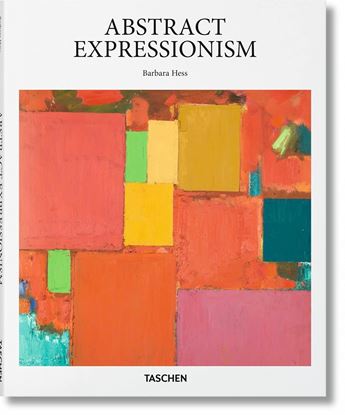
ABSTRACT EXPRESSIONISM (BA-ARCH) (GB)
Hailed as the first American-born art movement to have a worldwide influence, Abstract Expressionism denotes the non-representational use of paint as a means of personal expression. It emerged in America in the 1940s, with lead protagonists including Jackson Pollock, Philip Guston, Robert Motherwell, Mark Rothko, and Willem de Kooning.
Abstract Expressionism spawned many different stylistic tendencies but two particularly prominent sub-categories: action painting, exemplified by de Kooning and Pollock, and color field painting, made most famous by Rothko. Throughout, Abstract Expressionists strove to convey emotions and ideas through the making of marks, through forms, textures, shades, and the particular quality of brushstrokes. The movement favored large-scale canvases, and embraced the role of accident or chance.
With featured works from 20 key Abstract Expressionist artists, this book introduces the movement which shifted the center of art gravity from Paris to New York and remains for many the golden moment of American art.
1,250